
Which information about massage oil is actually useful?
Ask about the particular product
“Massage oil” does not describe a complete set of product properties. First establish which product is actually used in the programme you want and whether the studio can show ingredient information. A brand name or an attractive bottle in a photograph is not enough. You can ask simply: “Which oil do you use for the described programme, and may I see the product details beforehand?” You are requesting information you can understand, rather than a blanket promise. If several products are available, ask about the difference for this appointment. A studio need not list every product detail in each advertisement, but a direct answer may still matter to your decision.
Separate skin feel, fragrance and personal suitability
You may like a light fragrance while still wanting a clear product description. Equally, a particular skin feel may matter to you without establishing anything about personal tolerance. Keep the questions separate: what is described, what do you want to know, and which individual concern might require professional advice? The BfR questions about cosmetic products and ingredients provide general background on this product category. They do not assess a particular studio's programme. Factual product information is a first step in preparation. Terms such as natural, high-quality or pleasant cannot by themselves establish an individual assurance of suitability.
Which information helps more than a brand promise?
Ask for the product name, full ingredients and added fragrances. The NHS lists cosmetic fragrances and preservatives as possible contact dermatitis triggers. Price does not establish personal suitability. A suspected allergy should be discussed with a healthcare professional.
Do natural, neutral-smelling and fragrance-free mean the same thing?
No. They answer different questions. Plant oil may contain additives, and a mild smell does not reveal the full formula. Check the actual label. If you have a known sensitivity, asking whether an oil is premium is not enough.
Scent and the word natural do not establish whether a product suits you. Ask for its exact name and ingredient list before the appointment, especially if you have known allergies or sensitive skin.
| Product or term | Ask before the appointment |
|---|---|
| Plant oil | What ingredients and added fragrances does it contain? |
| Fragrance-free product | What does the label say, and is the full ingredient list available? |
| Massage gel | What is this exact product intended for? |
Treat linen as a separate practical question
Oil and towels belong to the same visit but answer different questions. For the product, you need its actual identity and information relevant to your preferences. For linen, you need to know what is provided and what, if anything, you should bring. Ask about towels, perhaps a bathrobe, and the studio's instructions for visiting. The guide to hygiene preparation and personal comfort helps turn these points into a short list. You need not buy extensive equipment simply because it appears in an atmospheric image. The specific explanation matters. One straightforward question about supplied linen can prevent misunderstandings and show whether there is anything left for you to arrange.
How can you compare oil, gel and fragrance options?
Compare only options the studio actually describes
A programme may mention oil, a particular gel or another named addition. Compare that information in relation to its programme, rather than treating the products as freely interchangeable. A term used by another studio may mean something different here. If you are interested in Nuru, for example, check whether the description concerns a separate programme or an addition to another appointment. The differences between published massage programmes provide a useful framework. Then ask which particular product is used within that programme. This prevents a general search for a pleasant material from turning into an expectation that your chosen provider has not described at all.
Explain a fragrance preference without assuming a guarantee
If you prefer as little fragrance as possible, say so in ordinary words. “A lightly scented environment matters to me; what options are available within the described programme?” is understandable. It leaves open what the studio can actually offer. Fragrance-free massage oil should not be interpreted as an automatic guarantee of every aspect of personal suitability. Ask for the exact product details and, where necessary, seek professional advice about an individual concern outside an advertising description. Room fragrance and the product used are separate things too. You can ask about each if both matter to you. A clear preference is more useful than a long list of properties whose meaning at this particular studio has not yet been established.
Make a short product note
For each programme you are considering, note three things: the product described, the information you have received and what remains unanswered. Add your own preference, perhaps restrained fragrance or the opportunity to read an ingredient list in advance. This note does not need a ranking of supposedly best oils. Its purpose is simply to support your comparison. If a studio publishes no exact product information, mark that field as open instead of trying to identify a bottle from a photograph. Similarly, do not automatically apply an answer to every programme or future appointment. Your aim is an understandable agreement about the particular visit you are planning now.
Which price and timing questions belong with your product choice?
Clarify what belongs to the described programme
A product may be part of the base programme or appear within a separately described addition. If that option matters to you, ask how it fits. Is it included in the stated price? Does it cost extra? Does the published time cover the whole visit? The Berlin price overview with duration and described scope shows why those fields should be considered together. An additional label alone does not give you a full total price. You need not substitute an invented cost range. A short, concrete follow-up is more precise: “I mean this programme with the stated addition; what price and time arrangements apply?” The answer can then address your actual request.
Ask how showering and changing fit into the time
Your planning depends on how the studio defines appointment time. Conversation, changing or showering may form part of the visit, depending on the source. When asking about products and supplied linen, this practical question follows naturally. Ask about the chosen programme's arrangements, rather than seeking one universal number of minutes for every studio. Plan your journey and a personal buffer separately. You can then consider a later appointment or the journey home without assuming that a programme's duration describes your full time commitment. A clear explanation is more useful than a tightly scheduled sequence the studio may never have described in the first place.
Separate personal belongings from agreed services
Before a first visit, you may wonder whether you need your own towel, a particular care product or an extra bag. First ask what is supplied and what the studio recommends. A product you bring is not automatically part of its programme; if relevant, ask whether that option is available at all. This prevents unnecessary purchases and mistaken expectations. Keep the reply with the price and timing information. Your preparation should remain simple and fit the actual agreement. A photograph with several bottles and textiles does not establish a packing list or an additional service. Here, the specific description takes precedence over decorative presentation.
May I bring my own oil?
Ask the studio in advance whether it accepts a personal product, what it is intended for and whether it suits the massage surface. An unopened bottle does not guarantee tolerance. A brief self-test immediately before a massage cannot rule out a later reaction.
How can you check these questions with a Berlin studio?
Start with the published programmes
The Berlin selection contains profiles with different described focuses. That does not create a complete list of all products they use. For example, you can ask My Temple or Kashima about the particular product for the Tantra appointment you want. Adeliya's profile lists erotic massage, Tantra and Nuru; there too, the product question remains attached to the particular programme. These examples are starting points, not statements about which oil is currently in which room. Begin with the published programme and add your personal question. A local product enquiry then stays attached to a real business instead of treating general massage terms as evidence of one citywide practice.
Confirm the location together with the appointment
Once you have asked a practical question about products or linen, the correct visit location also belongs in your preparation. Check the address and ask for missing details to be confirmed. The Berlin IDYLLE record, for example, lists Wipperstraße without a complete building number. That calls for a specific question, not a guess about the entrance. Then consider how the confirmed location fits your day. Clear appointment arrangements and a usable address are often worth more than a long collection of wellness terms. You do not need to share your location or obtain a seemingly exact distance for this. What matters is knowing which studio you are contacting, where it is and how you can actually organise the visit.
Read images as atmosphere rather than product evidence
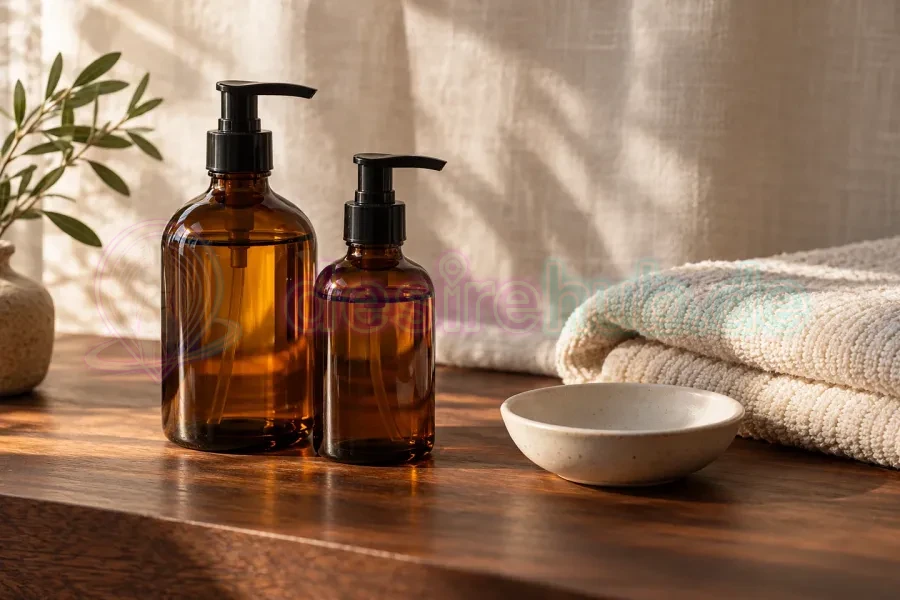
An illustration can show what a text concerns: bottles, clean linen or a quiet environment. It does not prove which products a named studio uses or what its rooms look like. That applies to an elaborate image as much as to a simple stock illustration. Use images to orient yourself while reading, but base a product decision on information that is actually published. If the exact name is missing, ask for it. You need not identify packaging from a blurred picture. A photograph of stacked towels cannot replace practical information about your appointment either. Keeping this distinction makes a guide more useful, because it separates atmosphere from information you can check.
What can you prepare about skin feel, linen and privacy?
Ask specific questions when a product matters to you
You do not have to learn an entire technical vocabulary first. It is enough to explain your preference clearly and ask for the relevant information. If a particular ingredient is already familiar to you, request the product name or ingredient list and, where needed, seek professional advice about your individual concern. Avoid turning an advertising word into a personal assurance. Equally, a general recommendation in a guide cannot replace arrangements with the studio. A useful short note contains the programme you want, the relevant product question and the answer received. That order keeps the exchange manageable and prevents your original concern from being lost in long messages about many other possible properties.
What about latex or discomfort?
Oil-based products can weaken latex condoms; the CDC highlights this compatibility issue. Follow the product instructions. If burning, itching or discomfort develops, pause the application and discuss what to do next. Unexplained symptoms need medical advice rather than another fragrance.
Ask what textiles and visiting instructions are provided
Ask which linen is ready for the appointment and whether the studio has any instructions about bringing items. For a first visit, combine this answer with the other points in the preparation guide for a first massage appointment. A small packing list is enough: only things actually agreed or useful for your journey. Hygiene need not become a complicated collection of materials. At the same time, you can ask again if an answer leaves an important point unclear. What matters is not the number of objects mentioned in a text or shown in a photograph, but whether you understand the practical arrangements. A general question about towels then becomes concrete help for your own visit.
Limit personal information to the particular question
Product preferences can often be discussed factually at first. Consider what information the studio actually needs for that initial answer before giving a detailed personal explanation. The BfDI introduction to data minimisation and transparency explains general data-protection principles. Your practical task is to choose a channel consciously and ask focused questions. A personal history does not automatically belong in a first product enquiry. If further information seems necessary for later arrangements, you can ask why. This provides orientation without claiming that a particular business has been certified for privacy or discretion. Its actual response and handling of information remain separate matters to assess.
How can you turn a product question into a clear appointment enquiry?
Connect the programme, product and time arrangements
Your message is easier to follow when it refers to a particular programme. One possible wording is: “I am interested in the described programme. Which oil or gel is used, what linen is supplied and what time and price arrangements apply?” The template for a clear, discreet enquiry helps turn that into a short message. Remove points that do not matter to you rather than including as many keywords as possible. If you initially want to clarify only the product, start there. A well-worded question is not a comprehensive questionnaire. It should let the studio answer an identifiable information need and explain the next step clearly.
Open the matching profile for further contact
If you want to look at a particular Berlin business, you could open the My Temple profile with published contact routes on desirehub. Check the information there and refer to the described programme before asking your product question. A profile is neither a personal suitability assessment nor an appointment confirmation. It gives you a traceable route to the business your enquiry concerns. If you choose another studio, check its own name, location and profile before sending a specific question. The connection between programme, information and contact should remain understandable to the reader rather than disappearing behind an arbitrary replacement link.
Check whether the reply answers your original question
Once a reply arrives, compare it with your note. Is the exact product named? Does it explain what belongs to the programme? Are the textiles and practical arrangements that matter to you clear? A friendly reply may be welcome, but it also needs to address the unanswered point for your decision. If it stays general, ask a focused follow-up. Do not infer a negative assessment or an automatic assurance from that alone. Your information need can remain open. Once the decisive details are understandable, summarise the programme, place, time and cost scope again. Thinking about oil and towels then leads to a practical decision for the visit instead of remaining an unrelated collection of product terms.

Sources and scope
Product and privacy references checked on 31 October 2026. Operator examples retain their individual source dates.
- BfR · Kosmetik: Inhaltsstoffehttps://www.bfr.bund.de/fragen-und-antworten/thema/kosmetik-artikel-alle-inhaltsstoffe-muessen-geprueft-sein/
- BfDI · INFO 1 · Datenschutzhttps://www.bfdi.bund.de/SharedDocs/Downloads/DE/Broschueren/INFO1.pdf?__blob=publicationFile&v=61#page=21
- NHS · Contact dermatitis: causeshttps://www.nhs.uk/conditions/contact-dermatitis/causes/
- CDC · Condom Use: An Overviewhttps://www.cdc.gov/condom-use/index.html
The images illustrate the subject and do not show a listed studio. Published operator information does not replace an individual appointment agreement.
Common questions about massage oil, towels and studio hygiene
Is massage oil described as natural automatically suitable for me?
That description alone cannot establish personal suitability. A useful decision starts with the exact product details and the information relevant to your own questions. If you have a known sensitivity or a medical concern, an individual assessment belongs with an appropriate professional. This guide can help you request information, but it provides no personal assurance. Be as specific as possible about what you want to know: product name, ingredient information or a described alternative within the programme. A clear answer to that is more useful than an impressive product description. The same applies to words such as high-quality or luxurious. They may communicate a style, but they cannot replace the information you need for your particular visit.
Should I bring my own towels or oil?
First ask the studio what equipment is supplied and which instructions apply to your chosen appointment. Do not assume that your own product can be used within the programme without agreement. Equally, a general recommendation online cannot establish that you need to bring particular textiles. Keep the answer with the appointment arrangements. This helps prevent unnecessary purchases and preparation that does not fit the actual programme. If personal reasons make you want to discuss particular equipment, ask a concrete question. The answer can explain whether and how your preference fits the described arrangements. For the visit, a short, agreed packing list is usually more useful than a large collection of precautionary items with no clear purpose.
If you compare several appointments or programmes, keep packing instructions with the correct business. An answer from an earlier conversation is not a universal rule for another visit. If the programme changes, ask whether the practical instructions still apply. It can also help to separate items for your journey from those for the appointment itself. Taking a bag for personal belongings is your practical decision; whether a product can be used within the programme is something to agree with the studio. Keeping those questions separate makes preparation easier without turning a straightforward question about towels into an extensive questionnaire.
How can I tell whether product information is sufficient for my choice?
You can explain which programme you mean, which product question matters to you and what answer you have received. You also understand the confirmed location, time arrangements and cost scope. Any unanswered point is recorded as a question rather than replaced with a guess. That is a useful foundation for your own decision. You do not need complete knowledge of every possible product or working method. The information needs to relate to the visit you are actually planning. Keep the relevant details where you can find them before travelling. If your preferences or the information change, you can ask a focused question. Ultimately, an extensive guide is useful when it makes those few important questions clearer and helps you choose the next contact consciously.
Read the answer again without relying on the profile's design. Would the information still make sense without a photograph or advertising slogan? If so, it is usable as practical information. If the presentation leaves you with a pleasant impression but the actual product or visiting instruction is still missing, a focused follow-up remains useful. This small check helps you consider imagery and information separately. Both can support orientation, but each has a different purpose for the visit you are planning.
Your next step
My Temple profile with published contact routes